nthLink is built on technologies that have defeated even the strictest internet censorship systems. It automatically:
Unlike many VPNs that store often-obsolete address lists in their apps, nthLink’s mobile app can connect to the Internet even when it has been a long time since you have used it.
The nthLink app calculates fresh server addresses based on where you are and the device you are using, enabling you to connect even in locations where many of its addresses are being blocked. It keeps trying until it finds a secure connection for you.
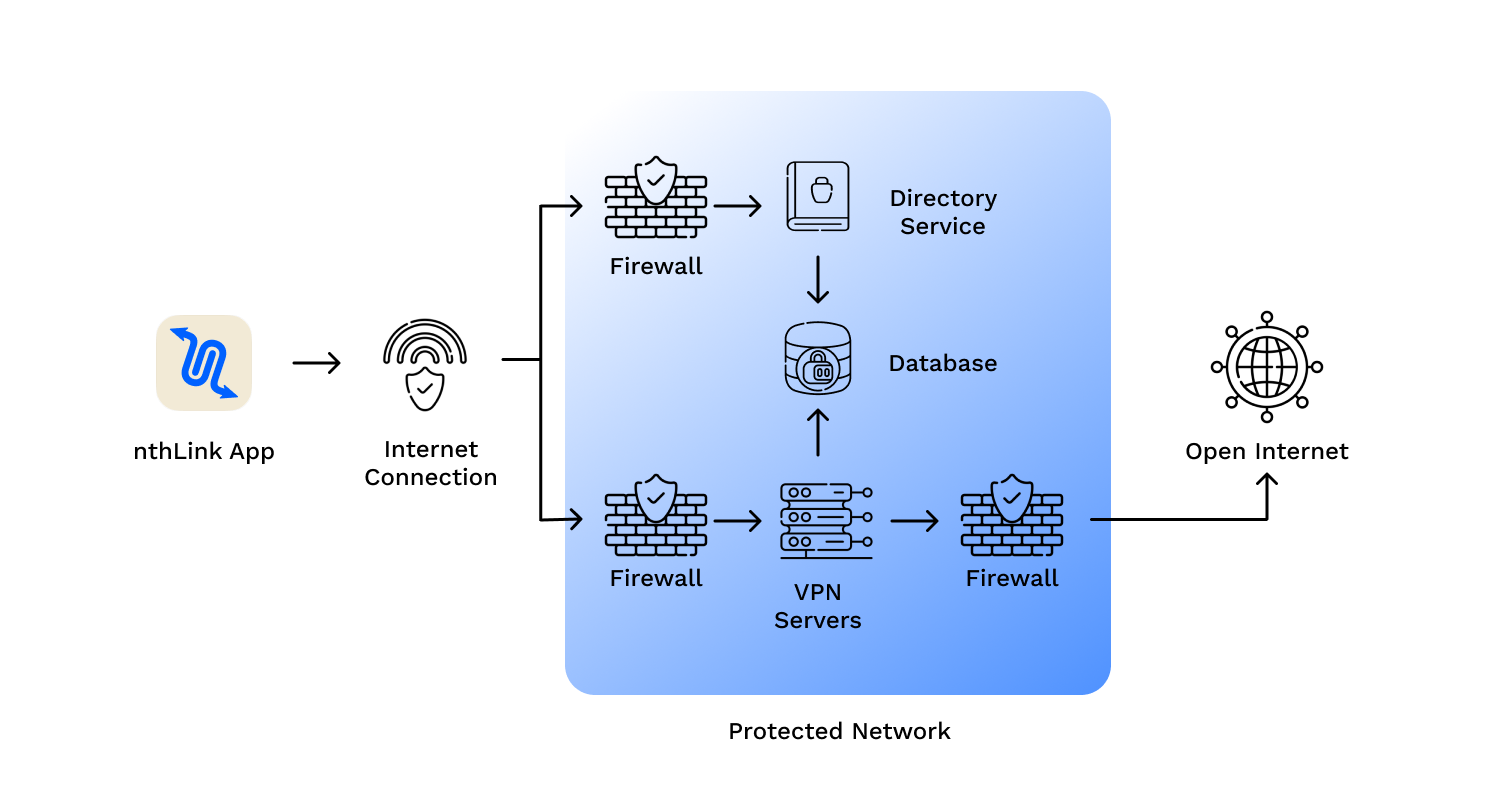
Just install and tap the button and you’re online – inside a reliable and secure network.
We do not track your activities and use best data minimization practices for our server infrastructure.
nthLink uses the strongest available encryption standards so your Internet traffic cannot be inspected.
Magam Soliya (මාගම් සෝලිය) is a highly acclaimed contemporary Sinhala novel written by the prominent Sri Lankan author . Since its release, it has become a bestseller and a significant work in modern Sri Lankan literature, known for its bold exploration of human nature, history, and social dynamics. Core Overview Author: Mohan Raj Madawala Genre: Fiction / Historical Fiction Language: Sinhala Publisher: Biso Publishers (Bisso Prakashana) Publication Year: Originally published around 2013–2014 Thematic Depth and Style
The dining experience of Magam Soliya is unique. Unlike a standard meal where curries are served in separate bowls, Soliya is often served on a large platter or banana leaf, encouraging diners to mix the components. The diner experiences a complex interplay of tastes: the savory depth of the meat, the tang of the lime in the sambol, the sweet richness of the Konda Kevum, and the aromatic rice. It is a perfect representation of the Sri Lankan palate, which embraces the balance of spicy, sour, salty, and sweet in a single bite. magam soliya
Note: If you intended "Magam Soliya" to refer to a specific contemporary political figure, a local nickname, or a different dialectical nuance, please provide additional context so I can refine the text. Unlike a standard meal where curries are served