We’ve moved past the era of the communal breakroom TV. Today, work entertainment is a background hum—a mix of curated playlists, true crime podcasts, and the relentless rise of "relatable" corporate content. The New Digital Watercooler
AI-driven "synthetic celebrities" and virtual idols are now commonplace in social feeds and are beginning to secure acting and modeling roles, sparking significant industry debate over human job displacement. czechstreetse138part1hornypeteacherxxx7 work
The risk is . When a struggling retail chain plays loud pop music to make workers "happier," or a tech startup forces a mandatory "movie night" for The Internship , they miss the point. The entertainment doesn't fix the broken scheduling software or the toxic boss. We’ve moved past the era of the communal breakroom TV
Short-form video has become the modern cigarette break—a 60-second hit of dopamine to reset between tasks. The Popular Media Influence The risk is
The concept of entertainment has undergone significant changes over the years. Traditionally, entertainment was seen as a form of leisure activity, something people did to relax and have fun outside of work. However, with the proliferation of digital technology, entertainment has become a ubiquitous part of our daily lives. We can now access entertainment content anywhere, anytime, and on any device.
This is . When a brand fights with another brand on Twitter, or when a HR department posts a cringe dance video to recruit Gen Z, they are producing work content about work culture. The product is secondary; the vibe of the workplace is the product.
Related pages and articles:
Tutorials Page - Podium Browser tutorials and other documentation.
PodiumxRT - fast path tracing companion. If you are not using SU Podium but want an inexpensive rendering application that works with all of Podium Browser content, look at these videos
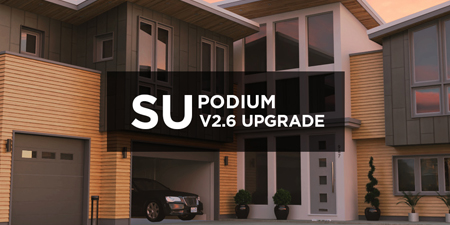
Upgrading to V2.6 - What's new in V2.6? Download the update here.
Podium Browser gallery - Collection of user-created images made with Podium Browser and SU Podium
Support hub - Click here if you need to contact support.