

















[FLASH SALE SUMMER – 2026]
.

CODE DISCOUNT: 3DMILI20
Filmography and popular video content have undergone a radical transformation in the digital age. While traditional filmography focused on the exhaustive listing and scholarly cataloging of a director's work, modern audiences now consume this information through "video essays"—a hybrid medium that blends scholarly analysis with cinematic storytelling. This shift reflects a broader change in how we interpret visual media: we are moving away from passive consumption toward a participatory culture where anyone with an internet connection can become a critic or a "digital historian". The Rise of the Video Essay
A is a systematic list of films related by specific criteria, such as a particular actor, director, or genre. It functions similarly to a bibliography for books, providing an "at a glance" view of a professional's creative journey. Library guides and databases: Harvard: Film
A is the skeletal structure of a career—the bones of art, commerce, and history. Popular videos are the living tissue, blood, and electricity. You cannot understand modern stardom without analyzing both.
This paper explores the evolving relationship between traditional filmography—the art and technique of making motion pictures—and the rapidly expanding domain of popular digital videos. Historically, these two spheres occupied distinct hierarchical positions: cinema was designated as "high art" or mass entertainment, while amateur video was relegated to the domestic sphere. However, the advent of Web 2.0, smartphone technology, and algorithmic distribution has collapsed these boundaries. By examining the democratization of cinematic tools, the rise of the "prosumer," and the cross-pollination of aesthetic techniques, this paper argues that the line between a "filmmaker" and a "content creator" is increasingly porous, resulting in a new hybrid visual language that defines 21st-century media consumption.
Thomas Edison’s Kinetoscope (1891) and the Lumière brothers’ Cinématographe (1895) introduced projected motion pictures to mass audiences. The Sound Revolution (1927): The Jazz Singer
Popular videos, also known as viral videos, are short, engaging clips that are shared widely on social media platforms, such as YouTube, TikTok, and Instagram. These videos often feature music, comedy, dance, or other forms of entertainment. Popular videos have become a significant part of modern pop culture, with many creators earning millions of views and dollars from their content.
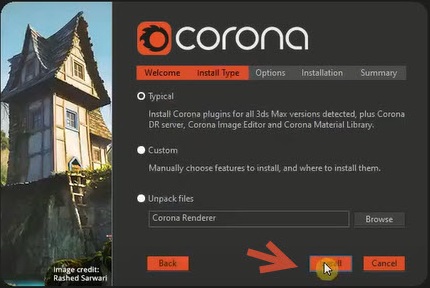
Corona Renderer 7 is the latest version for 3ds Max. With Clearcoat and Sheen in new Physical Materials, easy and fast aerial perspective in Corona Sky, faster rendering and many other updates, this release will give you better results and at the same time. make your 3D work easier and faster!
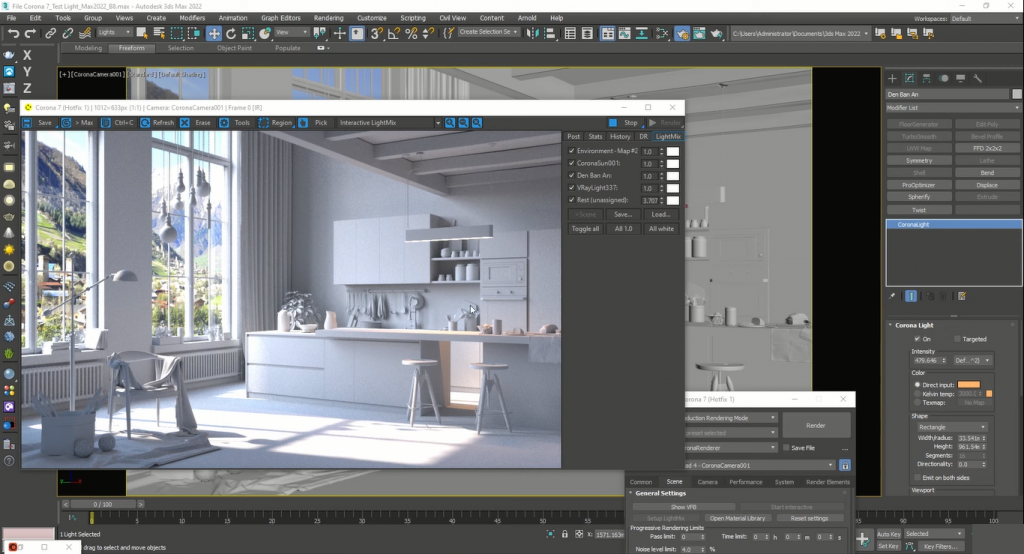
Corona Renderer for 3ds Max is a great software that is an engineering rendering plugin in Autodesk 3Ds Max software. The plugin is known as a standalone CLI software. The creators of the product believe that working with this tool is very simple and in fact you can just render the graphics by pressing the render key. You can use render settings easier than ever Desi Suhagrat Sex Video
Size: 363 MB
Password Unzip: shop3dmili.com
Filmography and popular video content have undergone a radical transformation in the digital age. While traditional filmography focused on the exhaustive listing and scholarly cataloging of a director's work, modern audiences now consume this information through "video essays"—a hybrid medium that blends scholarly analysis with cinematic storytelling. This shift reflects a broader change in how we interpret visual media: we are moving away from passive consumption toward a participatory culture where anyone with an internet connection can become a critic or a "digital historian". The Rise of the Video Essay
A is a systematic list of films related by specific criteria, such as a particular actor, director, or genre. It functions similarly to a bibliography for books, providing an "at a glance" view of a professional's creative journey. Library guides and databases: Harvard: Film
A is the skeletal structure of a career—the bones of art, commerce, and history. Popular videos are the living tissue, blood, and electricity. You cannot understand modern stardom without analyzing both.
This paper explores the evolving relationship between traditional filmography—the art and technique of making motion pictures—and the rapidly expanding domain of popular digital videos. Historically, these two spheres occupied distinct hierarchical positions: cinema was designated as "high art" or mass entertainment, while amateur video was relegated to the domestic sphere. However, the advent of Web 2.0, smartphone technology, and algorithmic distribution has collapsed these boundaries. By examining the democratization of cinematic tools, the rise of the "prosumer," and the cross-pollination of aesthetic techniques, this paper argues that the line between a "filmmaker" and a "content creator" is increasingly porous, resulting in a new hybrid visual language that defines 21st-century media consumption.
Thomas Edison’s Kinetoscope (1891) and the Lumière brothers’ Cinématographe (1895) introduced projected motion pictures to mass audiences. The Sound Revolution (1927): The Jazz Singer
Popular videos, also known as viral videos, are short, engaging clips that are shared widely on social media platforms, such as YouTube, TikTok, and Instagram. These videos often feature music, comedy, dance, or other forms of entertainment. Popular videos have become a significant part of modern pop culture, with many creators earning millions of views and dollars from their content.


